
LinkedIn post 29-11-2025
𝗛𝗼𝘄 𝗘𝗨 𝗖𝗹𝗶𝗺𝗮𝘁𝗲 𝗣𝗼𝗹𝗶𝗰𝘆 𝗜𝘀 𝗖𝗵𝗮𝗻𝗴𝗶𝗻𝗴 𝗚𝗿𝗲𝗲𝗻𝗵𝗼𝘂𝘀𝗲 𝗗𝗲𝘀𝗶𝗴𝗻
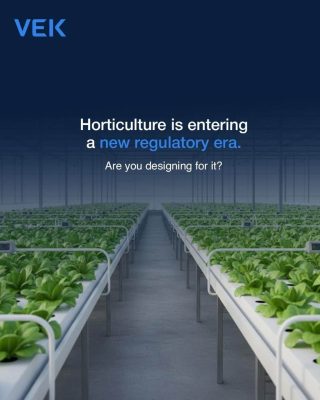
EU climate policy is reshaping what a modern greenhouse or controlled-environment facility must achieve.
Design briefs that once focused solely on yield now must account for lifetime energy performance, input efficiency, and demonstrable environmental impact.
In new projects, five themes are moving earlier in the conversation:
• 𝗘𝗻𝗲𝗿𝗴𝘆 – Demand, flexibility, and how facilities interact with local grids.
• 𝗜𝗻𝗽𝘂𝘁𝘀 – Water, substrates and fertilisers, along with their embedded footprint
• 𝗥𝗲𝘀𝗶𝗹𝗶𝗲𝗻𝗰𝗲 – Operating predictably under more volatile climate and market conditions
• 𝗧𝗿𝗮𝗰𝗲𝗮𝗯𝗶𝗹𝗶𝘁𝘆 – Being able to validate environmental and operational performance over time
• 𝗥𝗲𝘀𝗼𝘂𝗿𝗰𝗲 𝗟𝗶𝗺𝗶𝘁𝘀 – Aligning technology with local constraints and long-term cost structures
Policy instruments differ across Europe, but the direction is consistent: Facilities being designed today will operate under far stricter climate, reporting, and performance requirements than those applied at the point of construction.
For anyone planning new greenhouse or CEA infrastructure, the brief is shifting, and the technical questions need to shift with it.
How is this influencing the way you frame the early design brief for upcoming greenhouse or CEA projects?